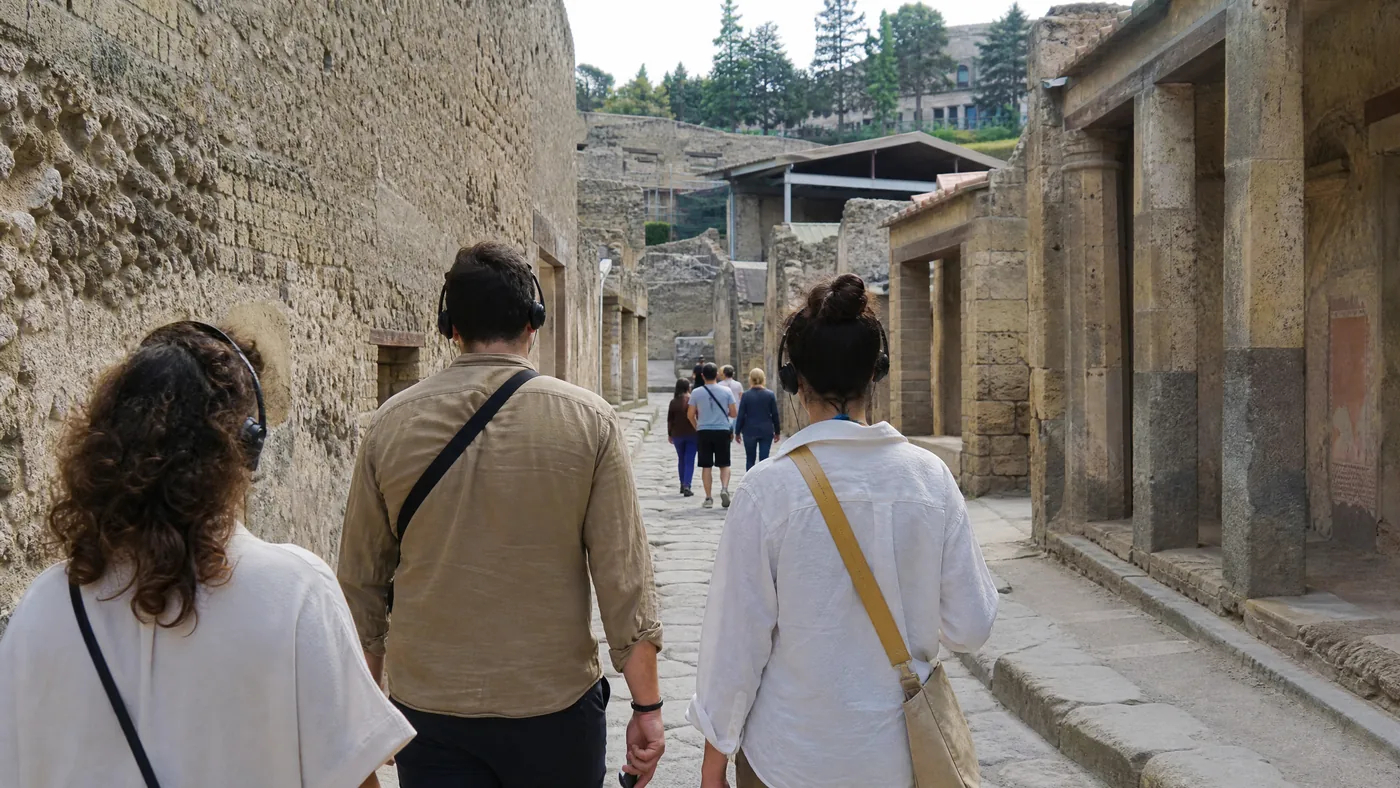
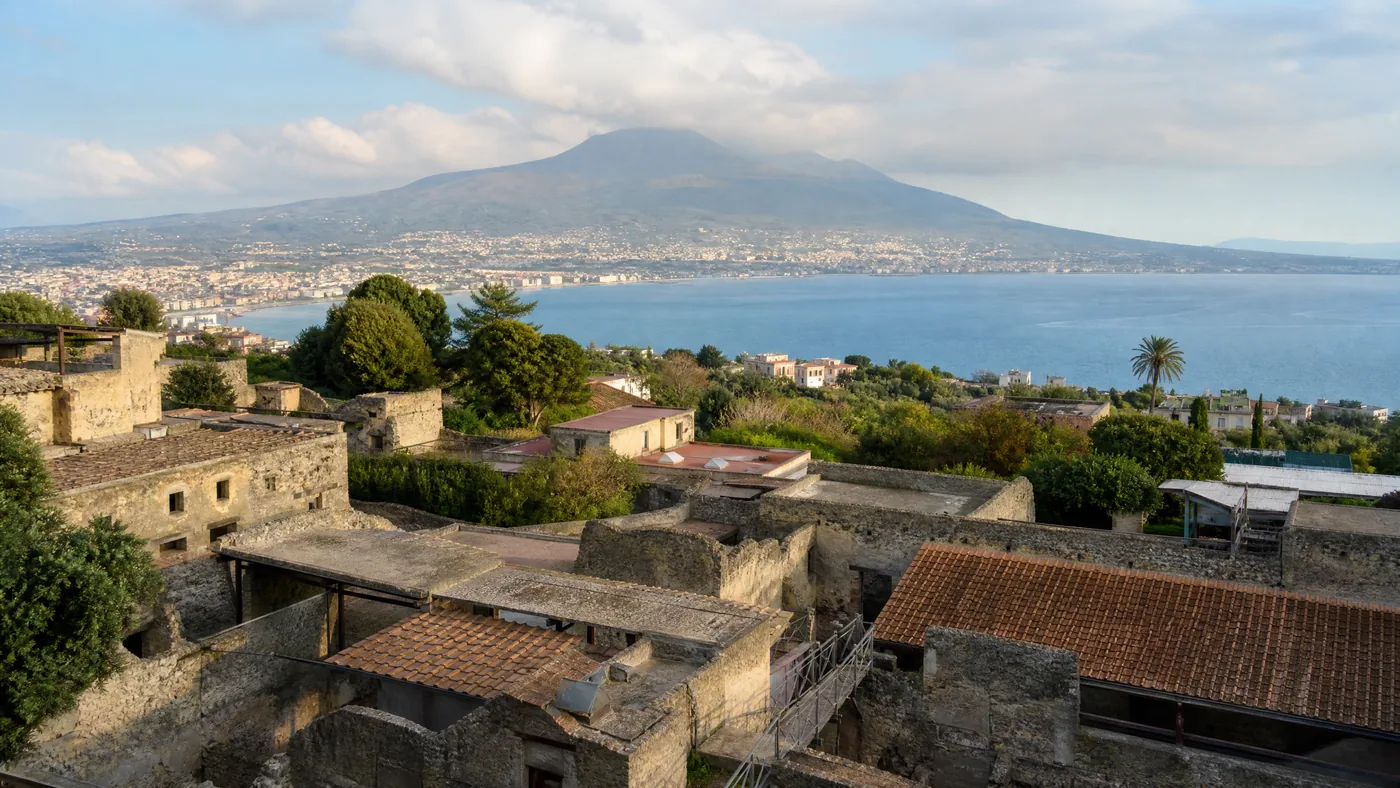
To book: Pompeii and Herculaneum with an archaeologist, from $145 per person. Check dates Tour details
Is Herculaneum or Pompeii better? We do not give a verdict: the two cities tell different stories, and it depends on what you are looking for. We can give you the differences documented by the sources, starting from the Park's page on the history of the city, together with that on the eruption.
One practical thing first: there is no single ticket. For Pompeii, Ercolano and Oplonti you buy the ticket for each site at its ticket office, the Park states. If you want to see them on the same day, you organise two entries, on your own or with a tour that includes both.
The answer in brief
Ercolano measured about 20 hectares, with about 4,000 inhabitants, and today over four hectares are visible. Lapilli and pumice fell on Pompeii; Ercolano was hit by pyroclastic surges and then buried under about 20 metres of volcanic material. This is why wood, food and carbonised papyri have been preserved at Ercolano. The tickets are separate: at Ercolano the full price is €16 in 2026.
Is Ercolano better than Pompeii?
There is no objective answer, and we do not make rankings. There are documented differences: how they were buried, how large the visible area is, which materials have been preserved.
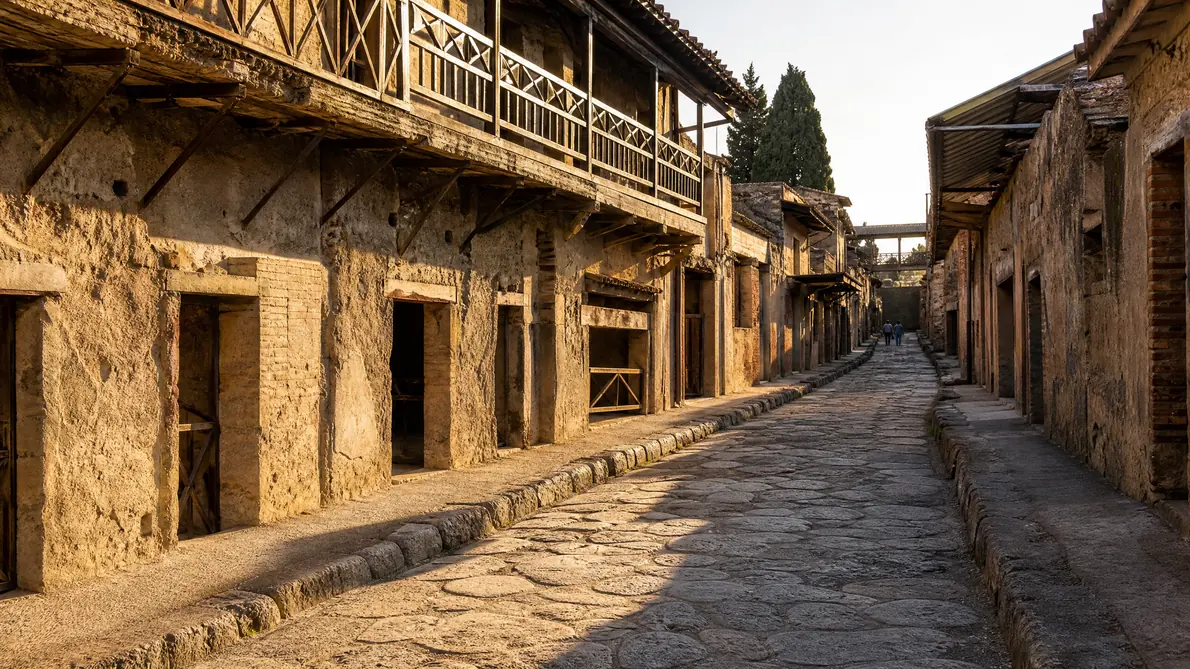
Ercolano takes about 2 hours to visit, according to the Park. It is a compact city: within the walls it measured about 20 hectares, and over four are visible. The houses often preserve carbonised wood structures, and along the ancient beach about 300 skeletons were found. For Pompeii’s measurements and opening hours, we refer you to its archaeological park: this site deals with Ercolano.
How were Ercolano and Pompeii buried?
Pompeii was hit by a rain of lapilli and pumice. Ercolano was first hit by pyroclastic surges of about 400 degrees, at over 80 km/h, then by mud flows that buried it under about 20 metres of volcanic material.
The eruption column reached up to 14 km in height, the Park recounts. At the beginning, only a few centimetres of ash fell on Herculaneum, with little damage, but enough to prompt many residents to flee; in Pompeii, roofs collapsed under the weight of the materials, according to Wikipedia. Then the pyroclastic surges arrived.
| Appearance | Ercolano | Pompeii |
|---|---|---|
| What fell at the beginning | A few centimetres of ash (Wikipedia) | Lapilli and pumice (Park of Ercolano) |
| Thickness of the material | About 20 metres (Park) | About 4 metres (Wikipedia) |
| Remains of the victims | Skeletons: the shape of the bodies was not preserved (Wikipedia) | Plaster casts from imprints in the ash (Wikipedia) |
| Ticket | €16 in 2026, at the Ercolano ticket office | Separate ticket, at the Pompeii ticket office |
Why is Ercolano less famous than Pompeii?
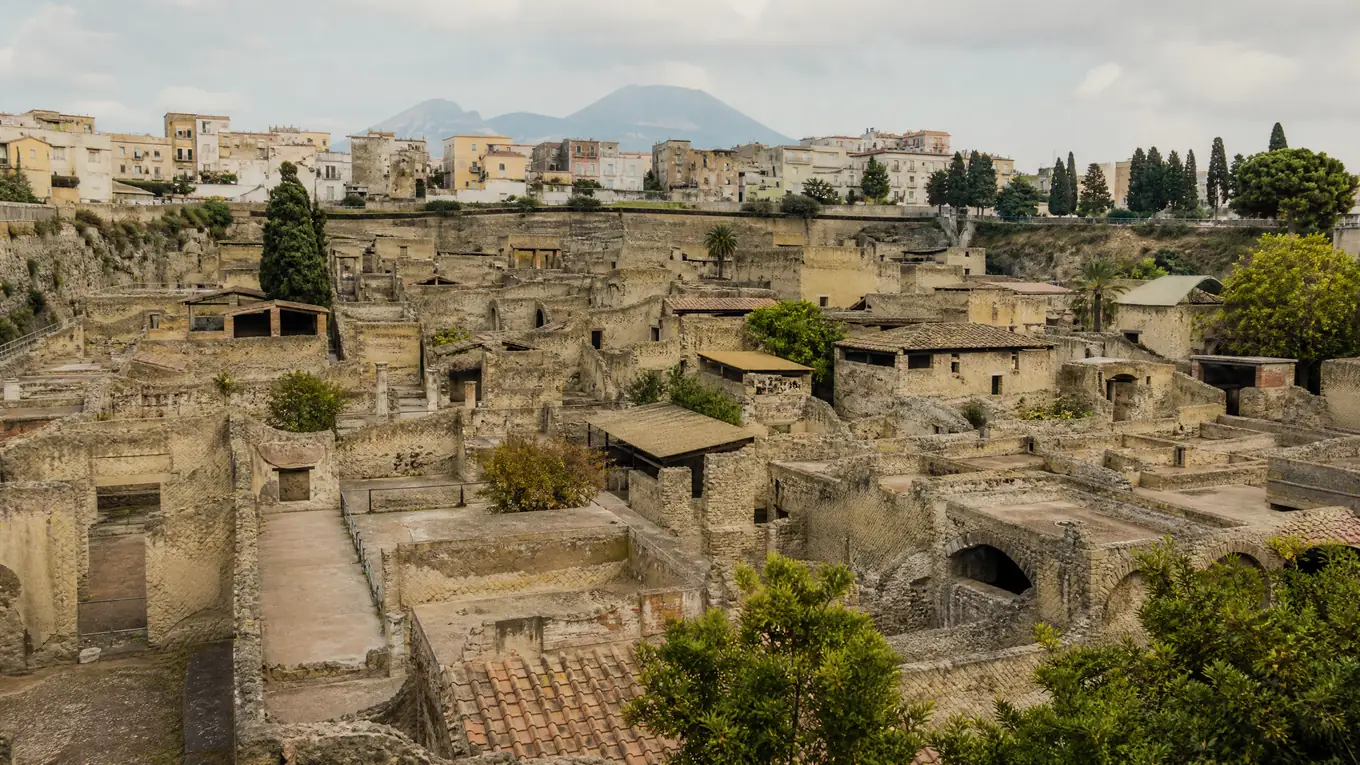
Largely because it was harder to excavate. The hardened volcanic mud and about 20 metres of material made the excavations slow, while Pompeii, covered by about 4 metres, was easier to excavate.
The Bourbon excavations of Herculaneum began in 1738, with wells and tunnels. On the page about the discovery and the excavations the Park writes that the hardness of the volcanic mud and the difficulty of the galleries led to the abandonment of the enterprise after a few decades. According to Wikipedia, the discovery of Pompeii, which was simpler to excavate, shifted attention and resources. Open-air excavations at Herculaneum arrived between 1828 and 1875, then with Amedeo Maiuri from 1927 to 1958.
There is also a space limitation: the modern city is above the ancient one. The Decumano Massimo today marks the boundary between the excavated area and the part still buried under Corso Resina.
Ercolano and Pompeii on the same day, with the tickets for both sites and an archaeologist guide. Departures from Naples, Sorrento or Rome.
Check dates for Pompeii and Ercolano with an archaeologistWhich city is better preserved?
It depends on what you measure, and we do not give a verdict. At Ercolano the pyroclastic surges carbonised organic materials: wood, food, seeds, fabrics, ropes, wax tablets and papyri.
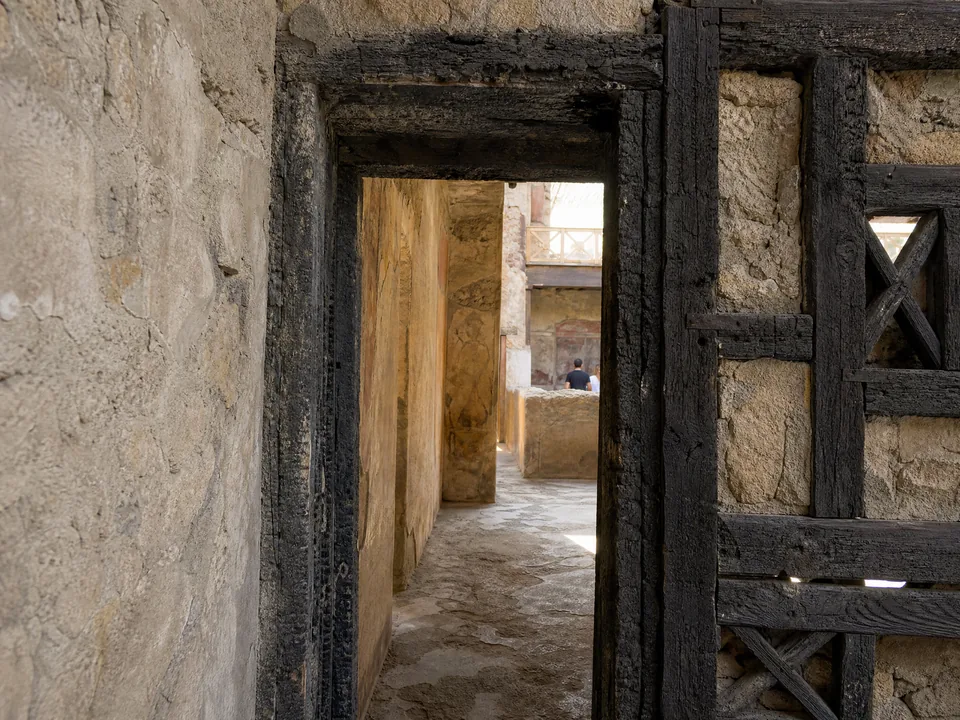
This is why at Herculaneum you can see doors, stairs, partitions and wooden furniture, a press and small boats, as the Park explains on the organic finds page. From the Villa dei Papiri come over 1,800 carbonised scrolls; the Villa is closed and does not yet have a reopening date. The Terme Suburbane are, in the Park's words, «one of the best-preserved bath buildings of the Roman world», and can only be visited during special guided openings.
Was Ercolano buried deeper than Pompeii?
Yes: about 20 metres of volcanic material at Ercolano, according to the Park, compared to about 4 metres at Pompeii, according to Wikipedia.
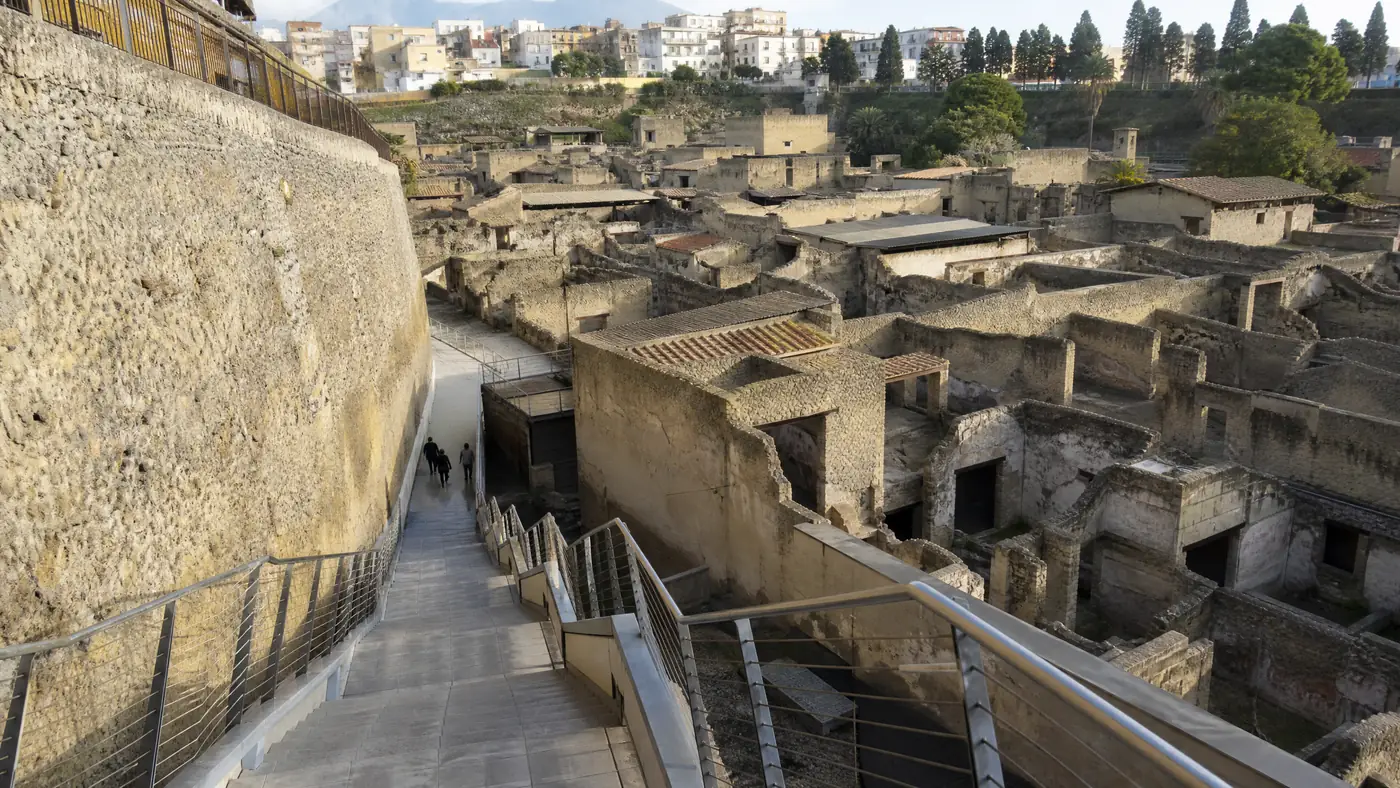
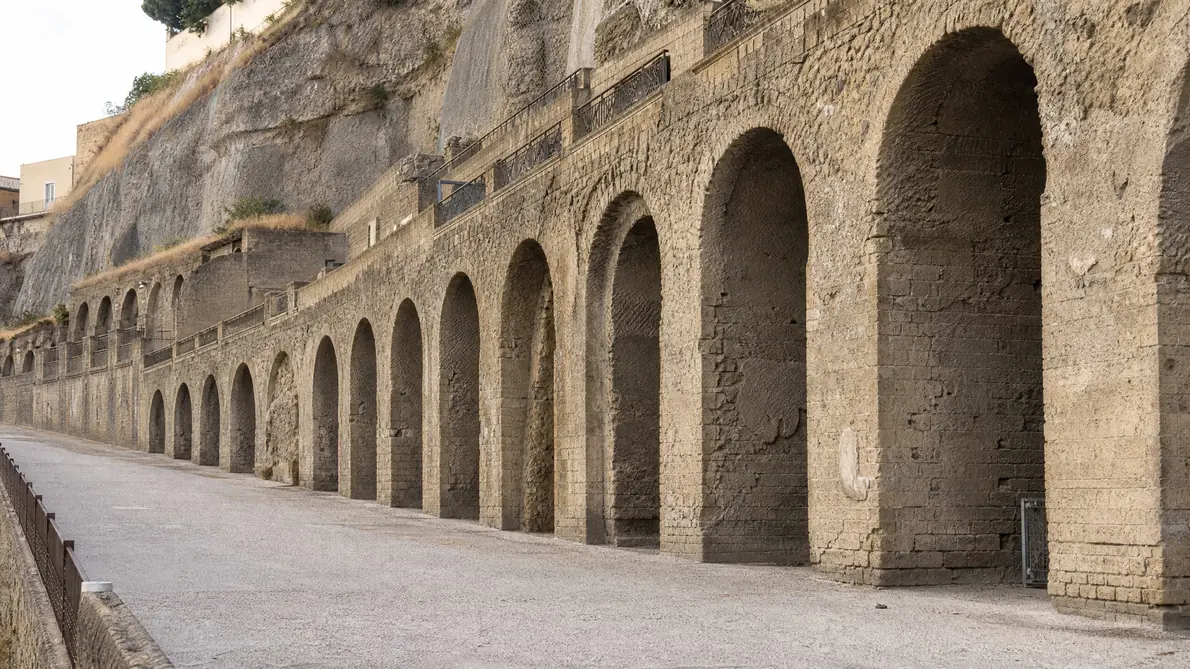
You understand as soon as you enter: the recommended route goes down a ramp to the level of the ancient city. At the end is the ancient beach, with the twelve fornici where in 1980 about 300 skeletons were found. The stops one by one are in the guide to what to see.
Can you see Ercolano and Pompeii on the same day?
Yes, with two separate tickets. Ercolano requires about 2 hours, according to the Park, and several tours on GetYourGuide combine both sites in one day.
Starting prices as of October 2026. These are tours by tour operators, not by the two archaeological parks. The tour with Vesuvius is the lowest-rated among those we compare, 4.1 out of 5.
| Tour | Duration | Departure | What's included | Price |
|---|---|---|---|---|
| Pompeii and Herculaneum with an archaeologist | 7-11 hours | Naples, Sorrento or Rome | Minibus, two tickets, archaeologist guide | from $145 |
| From Rome by high-speed train | 11 hours | Rome, via Marsala | High-speed train, two tickets, guide, lunch | from $269 |
| Pompeii and Herculaneum with lunch | 8 hours | Hotels and meeting points in Naples | Pompeii with guide or audio guide, light lunch, Ercolano on your own; tickets in the option with ticket | from $95 |
| Pompeii, Herculaneum and Vesuvius | 7.5-8.5 hours | Naples | Three tickets, audio guide at Pompeii, digital audio guide at Ercolano | from $140 |
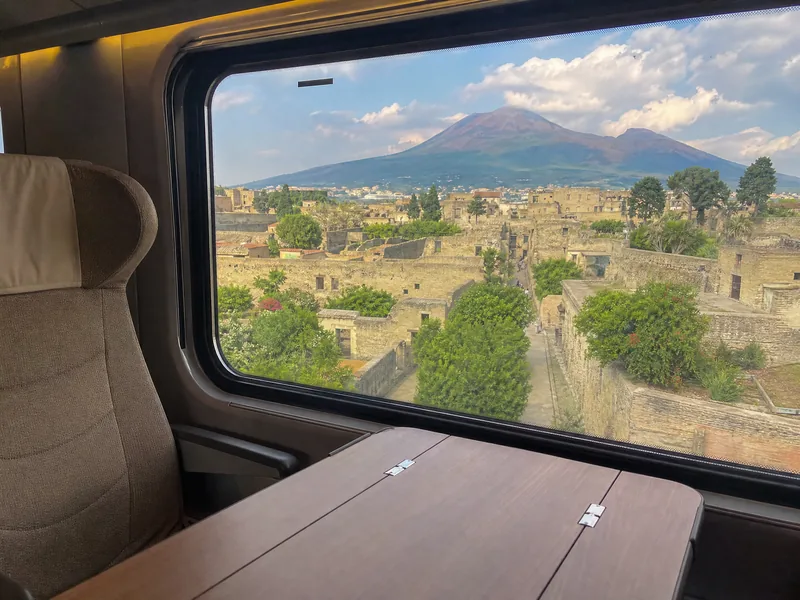
From Rome by high-speed train: transfers by coach, the guide, the tickets for Pompeii and Ercolano and lunch, with a maximum of 20 people.
Discover Pompeii and Ercolano from Rome by train Tour detailsHow do you get from Ercolano to Pompeii?
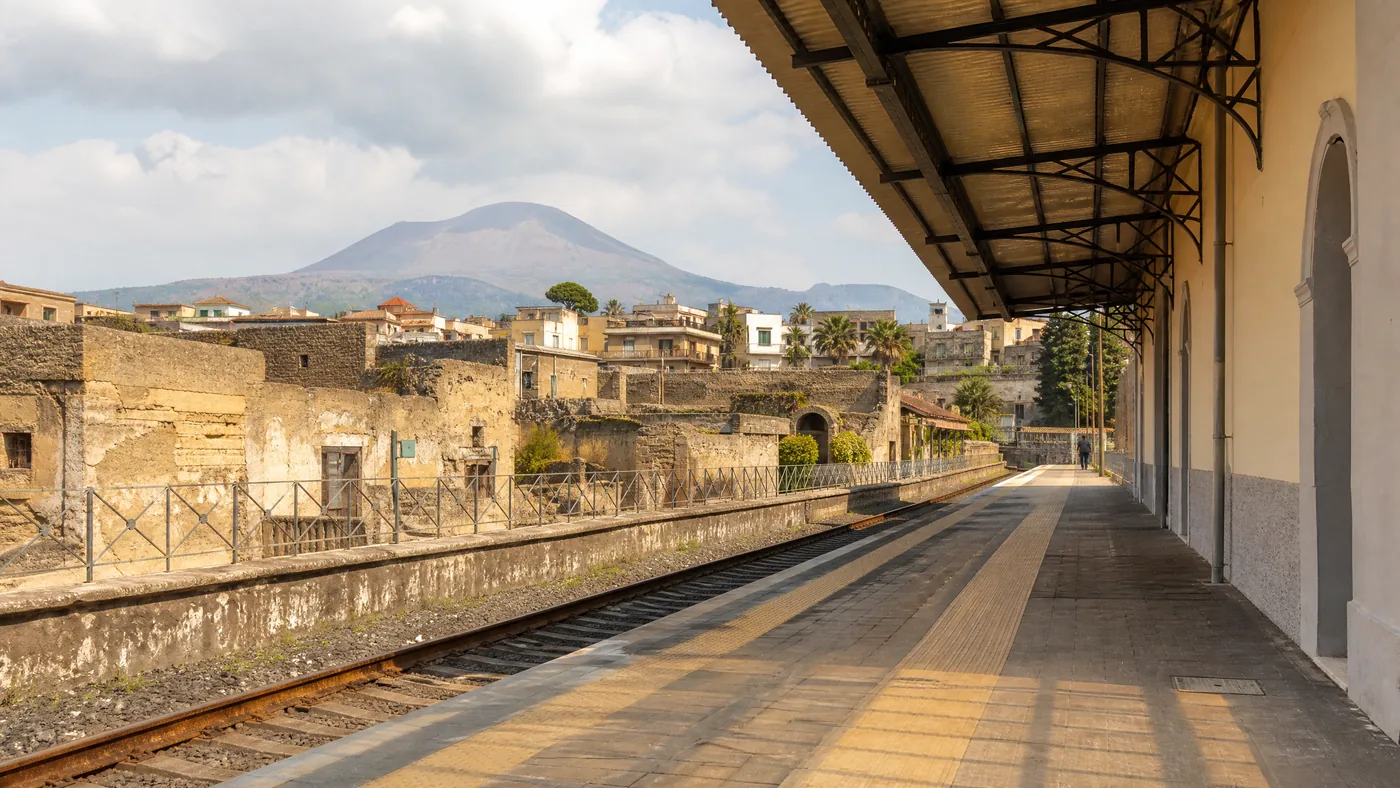
With a tour that includes the transfer, or on your own. For Ercolano the Circumvesuviana stop is Ercolano Scavi, on the Naples-Sorrento line; for Pompeii follow the indications of its park.
The Herculaneum Park does not publish directions for Pompeii, and we do not report Circumvesuviana timetables or fares. In tours, transport is included: shared minibus with tolls and parking in the Pompeii and Herculaneum with an archaeologist trip, air-conditioned bus in the one from Rome. How to get to Herculaneum from Naples, Sorrento and Rome is in the guide on how to get there.
What do Ercolano and Pompeii have in common?
The same AD 79 eruption and the same recognition: since 1997 Pompeii, Ercolano and Oplonti have been together a UNESCO World Heritage Site.
As recalled by the Wikipedia entry on the Herculaneum excavations. Herculaneum was conquered by Rome in 89 BC and became a municipium; according to myth, it was founded by Hercules, on his return from Iberia. The earthquake of AD 62 hit the area seventeen years before the eruption. The modern city above the excavations was called Resina until 1969, when it took the name Herculaneum.
Frequently asked questions
Is there a combined ticket for Pompeii and Herculaneum?
No. The Park of Ercolano states that for Pompeii, Ercolano and Oplonti you buy the ticket for each site at its ticket office.
How much time do you need for Ercolano if you also see Pompeii?
The Park indicates about 2 hours for Ercolano. In one-day tours, the itineraries in the listings give Ercolano from 1.5 to 2 hours.
Did lapilli fall on Ercolano like on Pompeii?
According to the Park, lapilli and pumice fell on Pompeii; Ercolano was hit by pyroclastic surges and then buried by mud flows.
Why are there skeletons at Ercolano and casts at Pompeii?
At Pompeii, the casts were made by pouring plaster into the imprints left by the bodies in the ash. At Ercolano, Wikipedia explains, the heat acted so quickly that the shape of the bodies was not preserved.
Ready to book
Choose your visit
Free cancellation on every option, up to 24 hours before. Prices are starting prices in USD and change with the season.
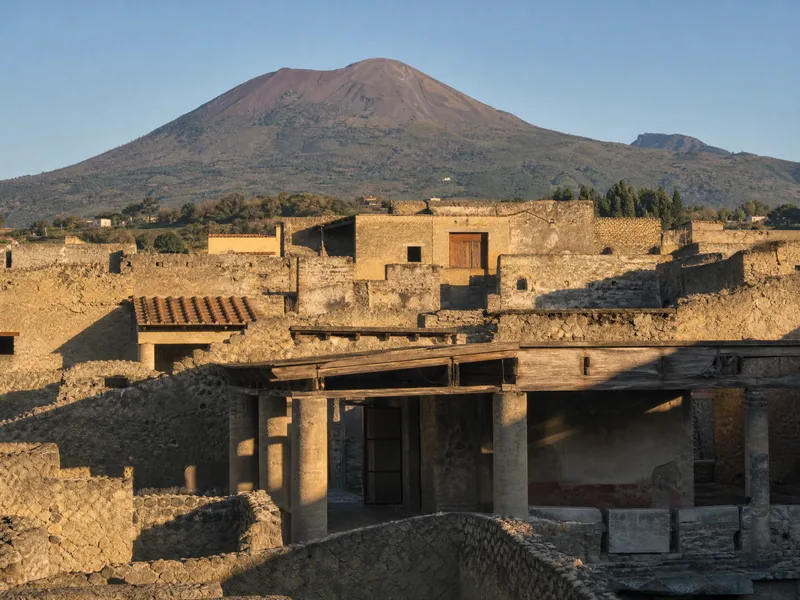
Pompeii and Herculaneum with an archaeologist
Both sites in one day, with tickets and an archaeologist guide
From Rome: Pompeii and Herculaneum by high-speed train
High-speed train Rome-Naples, guide, tickets and lunch, maximum 20 people
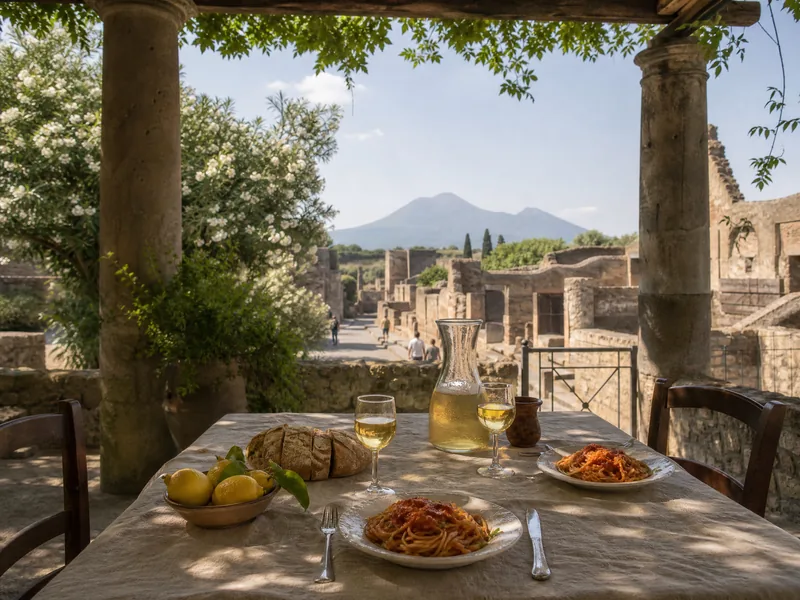
From Naples: Pompeii and Herculaneum with lunch
Pompeii with guide or audio guide, light lunch, then Herculaneum